Boost leak treasure hunt.
A boost or vacuum leak could have contributed to the wagon's drivability problems, but no boost leak was confirmed before a much larger engine problem stopped the investigation.
What this investigation actually found.
Was a boost leak proven?
No. Rough idle, possible hissing, and weak-feeling turbo response raised the question, but no smoke test or controlled pressure test confirmed a pressurized intake leak.
Was any damaged hose found?
Yes. One visibly cracked vacuum hose was replaced during the related vacuum-line inspection. That proves one hose was bad, not that it caused every symptom.
Do hissing and rough idle always mean a boost leak?
No. Those symptoms can have multiple causes. On this wagon, later testing also found a serious cylinder #1 compression problem that must take priority.
How should the system be checked later?
First verify the hose routing against the correct 1985 Turbo I diagram. Once the engine is safe to operate, a controlled smoke or pressure test can check the intake and boost plumbing without guessing.
Can the wagon be run to hunt for the leak?
No. Cylinder #1 repeatedly measured 61 PSI while the other three measured 140 PSI, so all engine-running boost and vacuum testing is paused.
A suspected leak, not a confirmed repair.
This repair log began as a search for possible boost and vacuum leaks affecting idle quality, turbo behavior, and drivability. One cracked vacuum hose was found in the related hose inspection, but the full boost system was never pressure-tested and the hunt is now paused.
Symptoms / clues
Tools & supplies
The hunt for the hiss.
Take reference photos.
Every hose, tee, connector, and mystery line gets documented before touching anything.
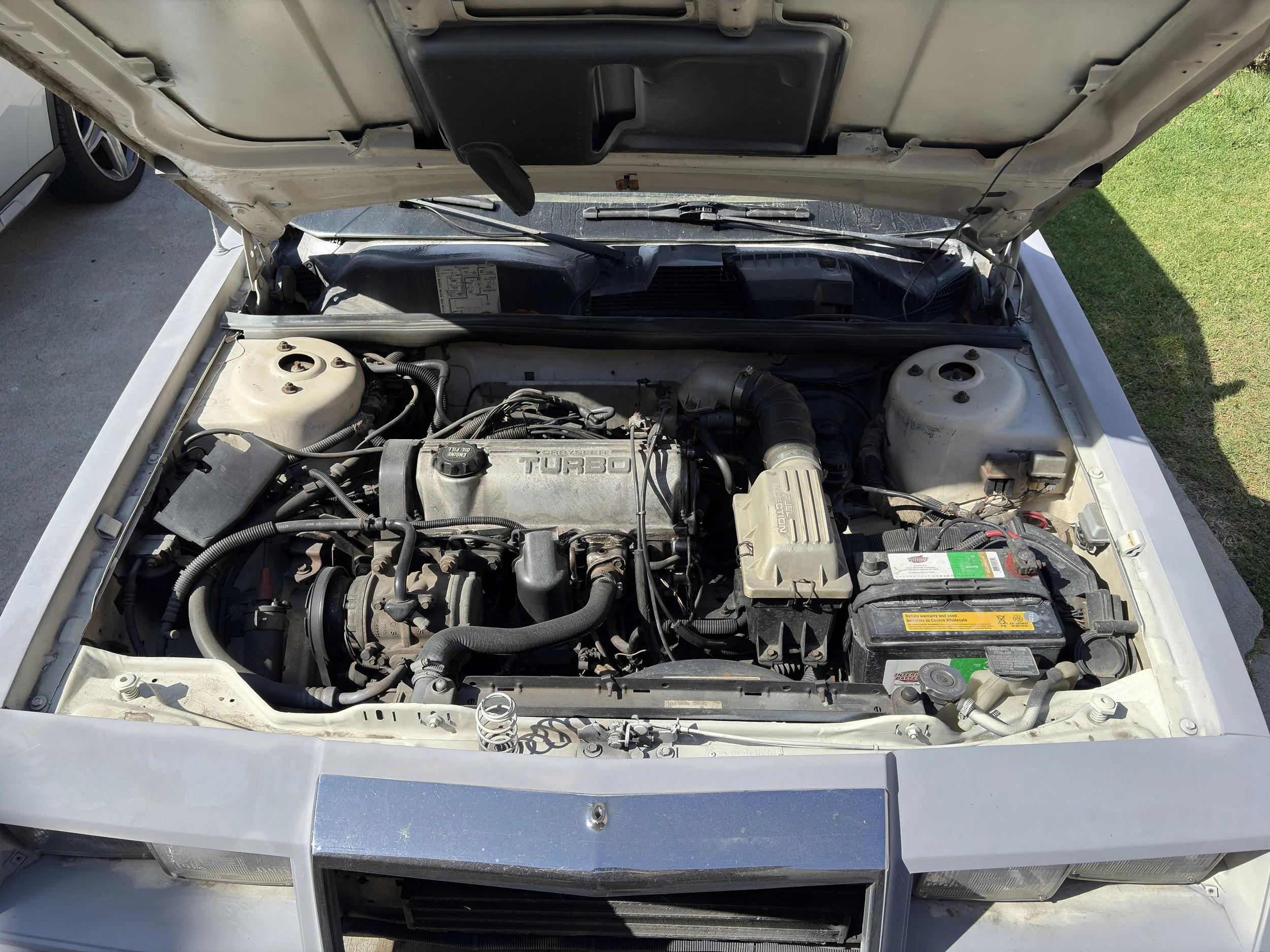
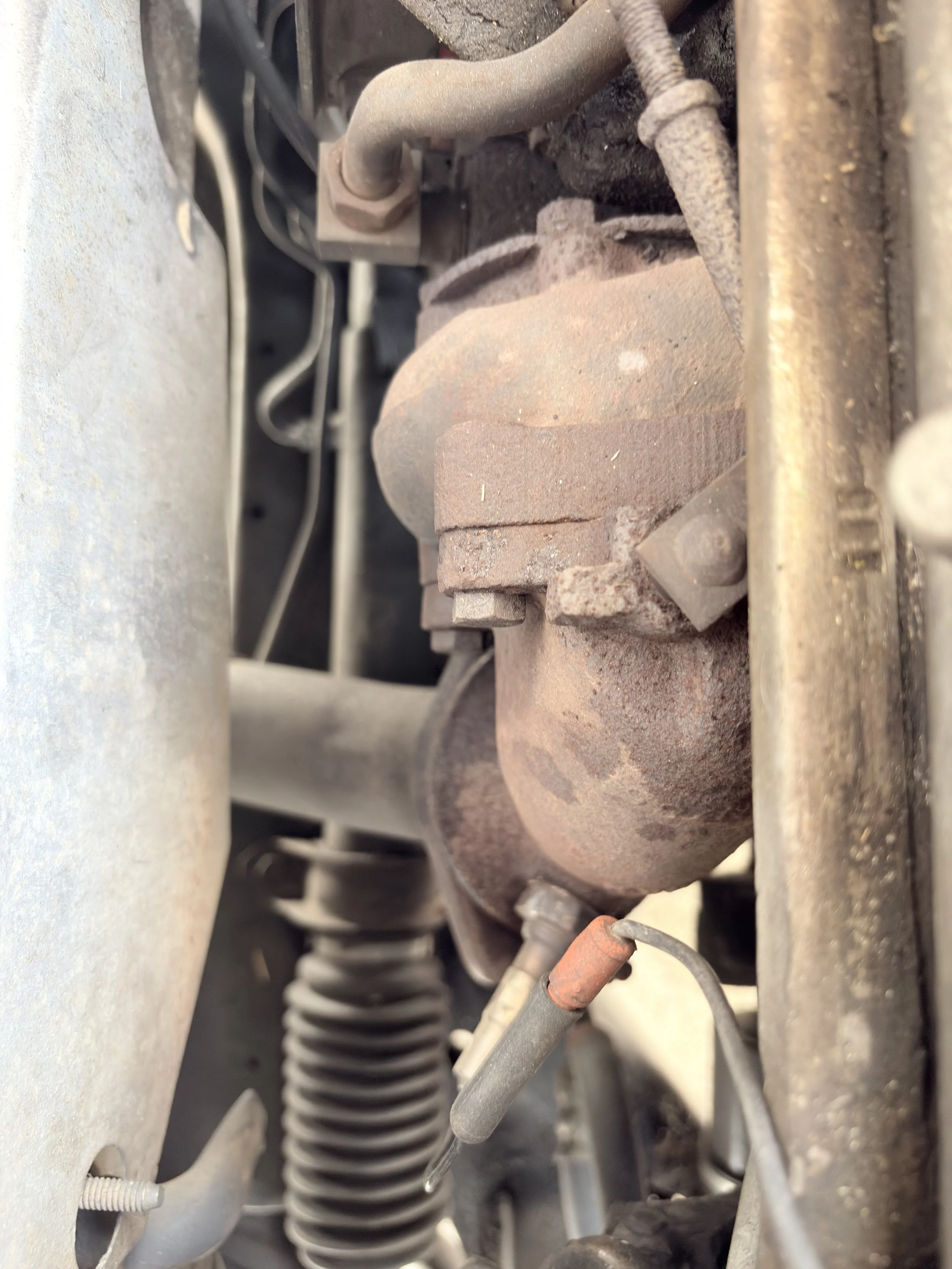
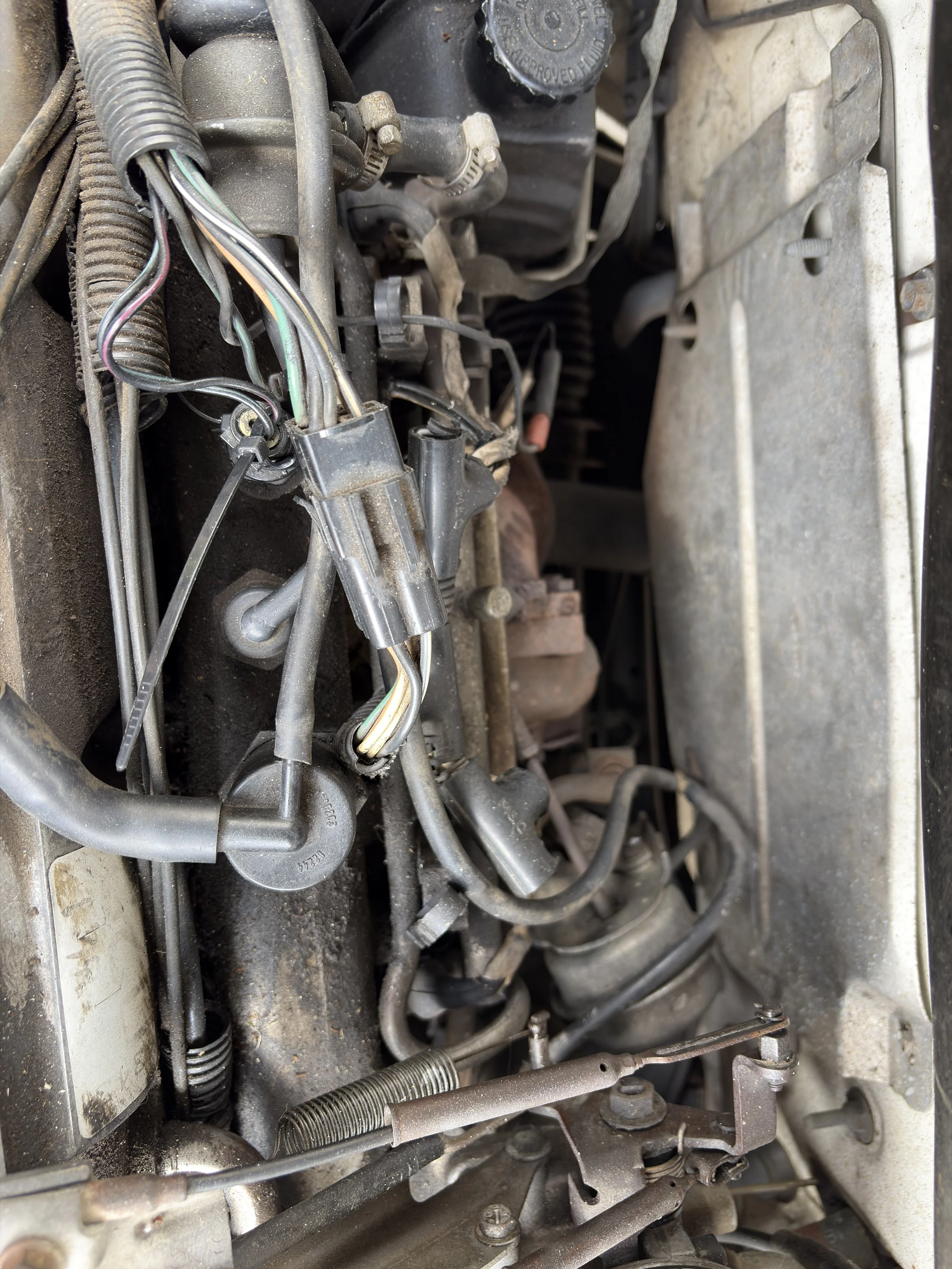
Inspect all vacuum hoses.
Look for cracks, loose fittings, hardened rubber, and lines that crumble emotionally.
Check turbo connections.
Inspect intake plumbing, clamps, and any connection that sees boost pressure.
Keep the engine off for now.
Visual inspection can continue, but listening at idle must wait because cylinder #1 has a confirmed compression problem.
Test one area at a time.
Work methodically so the fix does not create three new mysteries.
Replace suspicious rubber.
Old hoses get upgraded before blaming expensive parts.
Pressure-test only after the engine repair.
A controlled smoke or pressure test remains a future step. No result should be claimed until the test is actually completed.
Record the result honestly.
For now, one cracked vacuum hose is confirmed and a pressurized boost leak is not.
Areas still awaiting a full test.
What is confirmed
Confirmed
One visibly cracked vacuum hose was replaced during the related hose inspection.
What is not confirmed
Still unknown
Whether a boost leak exists, where it is, and how much it contributed to the original symptoms.
What supports this investigation.
The labels separate routing references from observations and measurements made on this specific wagon.
Turbo Dodge Parts hosts routing diagrams for early Chrysler turbo vacuum systems. The correct diagram still needs to be matched to the wagon's Federal or California emissions configuration. View the vacuum diagrams.
Los Angeles Public Library provides access to Chilton automotive repair information for vehicle-specific service research. Access may require a library card. View the library resource.
The related page documents the one visibly cracked hose that was replaced and the larger routing inspection that remains unfinished. Read the vacuum-line record.
The current engine record explains why all engine-running boost and vacuum testing is paused while the cylinder #1 compression problem remains unresolved. Read the complete diagnosis.
The boost-leak hunt is paused.
The next step is not another engine-running test. The confirmed cylinder #1 problem must be diagnosed and repaired first.