
Can the wagon be cold again?
The original R-12 air-conditioning system is empty, Los Angeles is still hot, and the dream of cold air has to wait until the engine is healthy enough for proper testing.
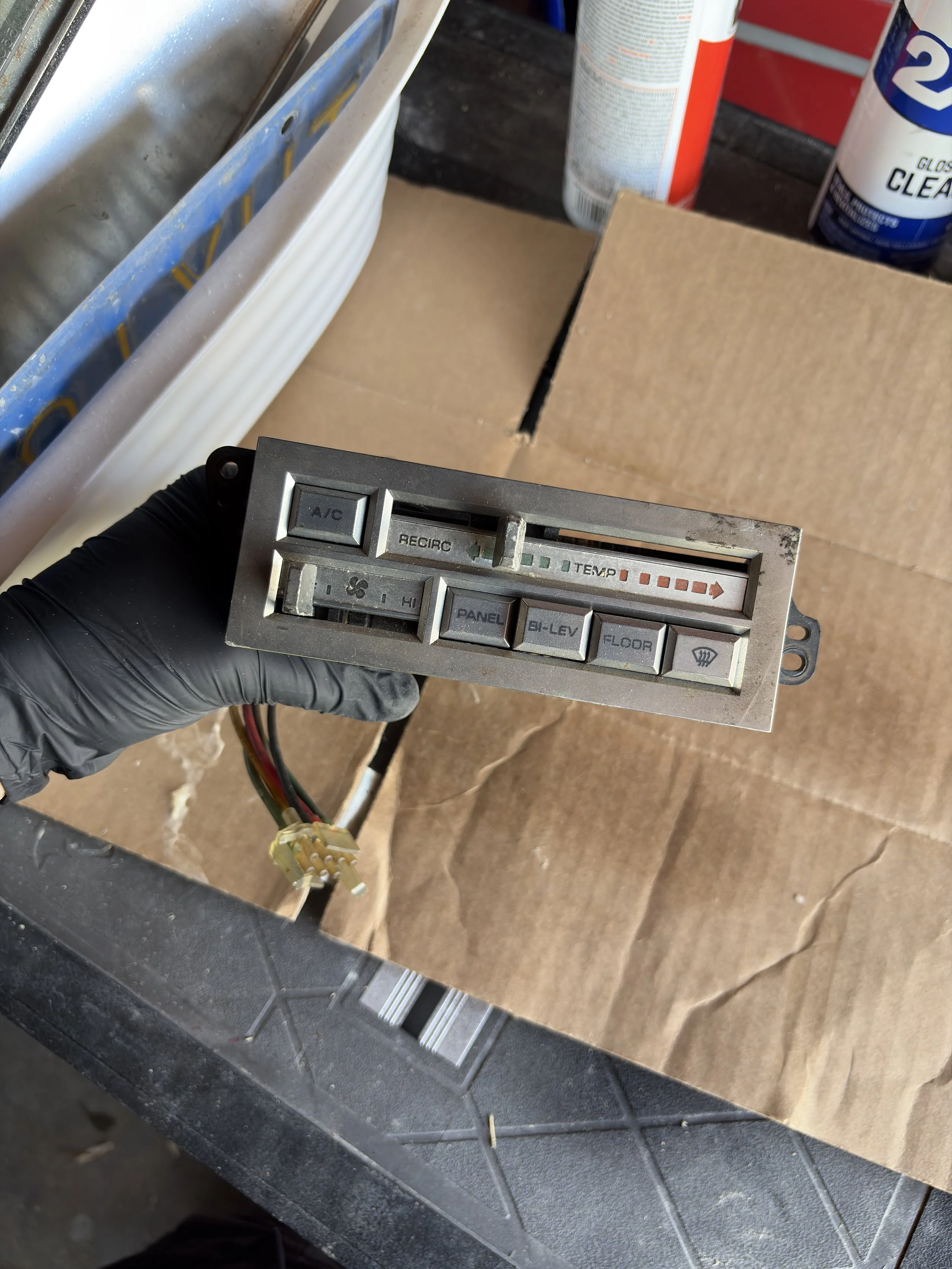
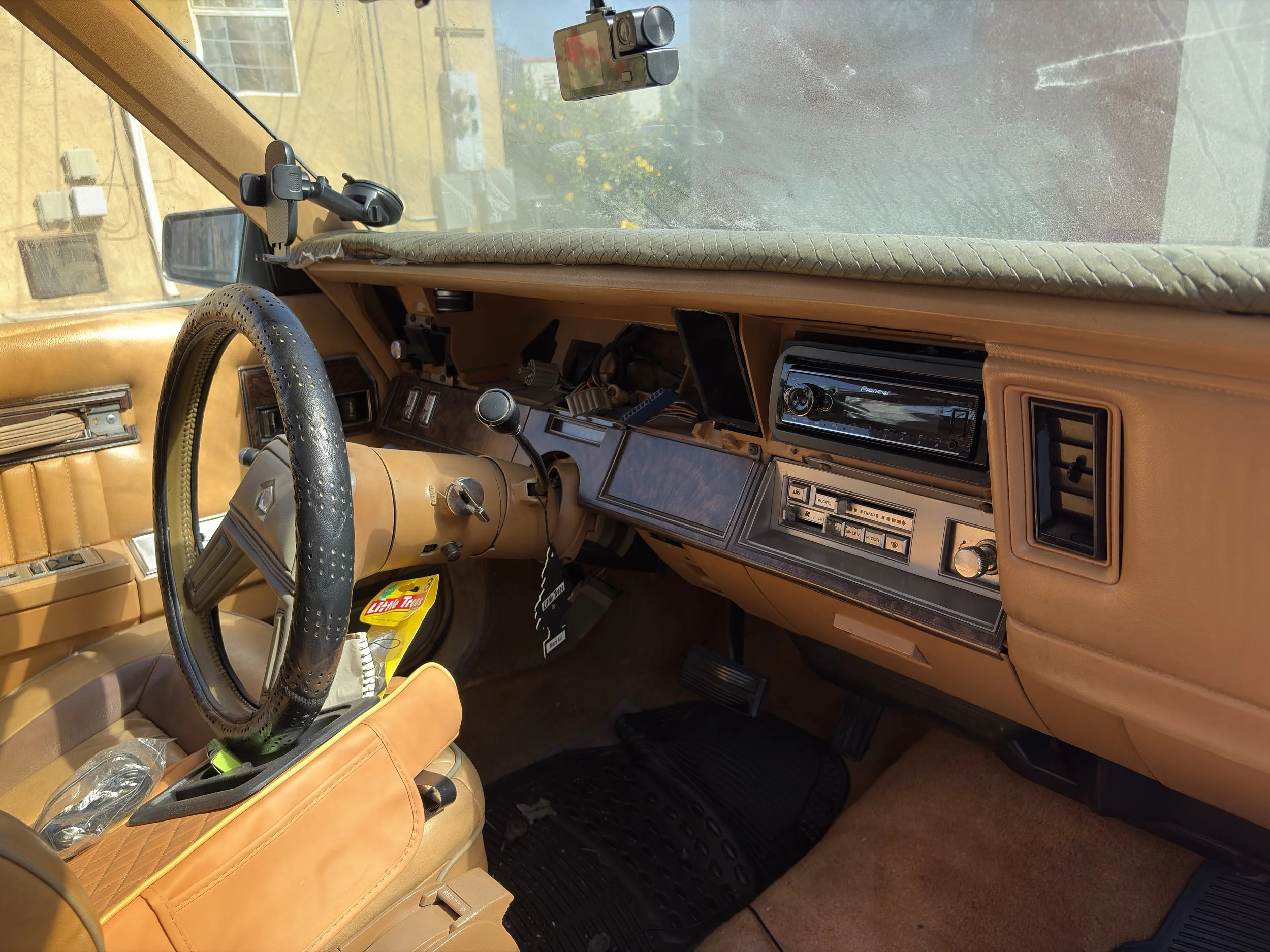
What is known about the wagon's air conditioning.
Does the air conditioning work?
No. The system is empty and does not currently provide cold air.
What refrigerant was it built for?
The wagon has an original R-12 system. That does not prove what may have been added or changed during the last forty years, so the fittings and labels still need inspection.
Is the compressor good?
Unknown. The compressor identity has not been confirmed, and its clutch, internal condition, oil history, and ability to build pressure have not been tested.
Has it been converted to R-134a?
No completed conversion is documented. I will not choose a refrigerant or parts list until the existing system, fittings, labels, and components are identified.
What happens before recharging it?
First, the engine must be safe to run. Then the system needs component identification, refrigerant identification, leak diagnosis, inspection for contamination, and legal recovery and service planning.
The air conditioning exists emotionally.
The wagon still has an original-era air-conditioning system, but it is empty and untested. That means the page cannot honestly blame the charge, compressor, seals, hoses, or any other component yet.
The mechanical diagnosis comes first. Cylinder 1 measured 61 PSI while cylinders 2 through 4 measured 140 PSI, so I am not running the engine merely to see whether an A/C clutch engages.
Current evidence
What could eventually be found
The cold-air strategy, in the right order.
Leave the engine off for now.
The low-compression problem has priority. Compressor-engagement and running-pressure tests wait until the engine is safe to operate.
Identify what is installed.
Photograph the compressor label, service-port fittings, refrigerant labels, hose routing, receiver-drier, and any signs of previous retrofit work. The exact compressor may be a Sanden SD-508 or Nippondenso 10P15-family unit, but the label must decide.
Check for obvious damage without opening the system.
Inspect hoses, crimps, fittings, condenser, compressor area, and visible connections for oil staining, corrosion, physical damage, or missing caps.
Identify any refrigerant before service.
An old system may contain an unknown or mixed refrigerant even when pressure is low. Refrigerant identification protects the equipment, the technician, and the system.
Recover anything that remains.
Refrigerant cannot be intentionally vented. Proper recovery equipment and current motor-vehicle A/C service rules apply before opening the system.
Find and repair the leak.
An empty system lost its charge somewhere. The leak source needs to be found before deciding which hoses, seals, compressor parts, receiver-drier, or other components actually require replacement.
Choose preservation or retrofit.
The decision between continued R-12 service and an approved retrofit should follow component condition, system cleanliness, oil compatibility, parts availability, fittings, labeling, cost, and local service support.
Evacuate, charge, and verify correctly.
After repairs, the system needs the correct oil and refrigerant charge for the chosen configuration, followed by leak checks, pressure readings, vent-temperature measurement, and safe operating verification.
Air-conditioning archaeology.
R-12 versus R-134a
A retrofit is not just attaching different fittings and adding a different refrigerant. The existing refrigerant and oil history, compressor, hoses, seals, receiver-drier, system cleanliness, approved refrigerant, labeling, fittings, charge amount, and service procedure all matter.
The engine comes first
The A/C project is paused until the low-compression problem is addressed. Read the engine diagnosis for the measurements that changed the project order.
What supports this page.
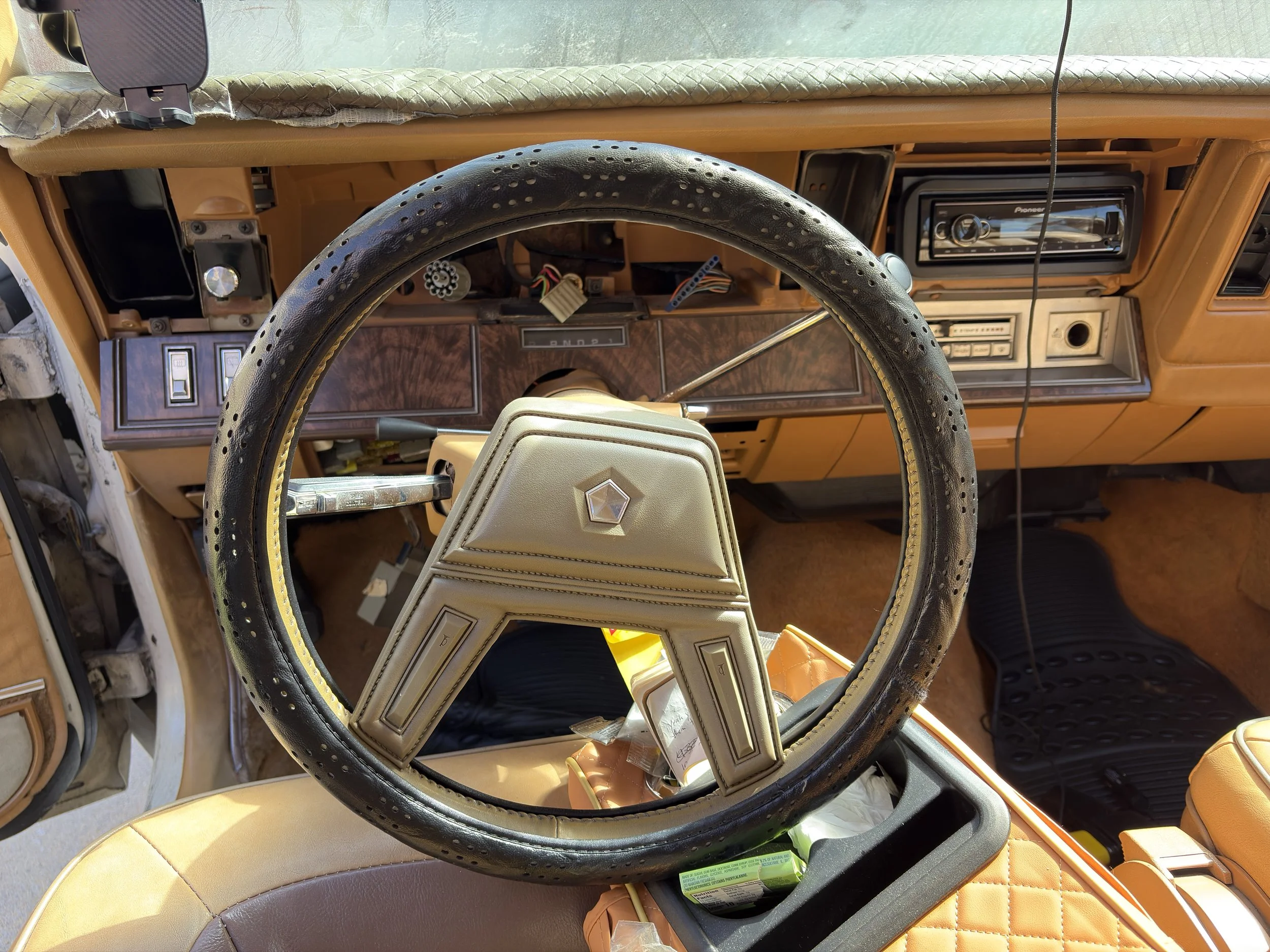
The photos and notes document the original-era system, no cold air, empty status, lack of a completed conversion, and the need to identify the compressor.
The EPA's current MVAC servicing rules explain refrigerant recovery, approved equipment, technician certification for compensated work, and the prohibition on intentional venting.
The EPA's recharge-options page explains that CFC-12 systems may be retrofitted and that approved refrigerant choices and proper service practices matter.
Los Angeles Public Library Chilton access is the service-information starting point for component identification and system procedures.
The low-compression diagnosis explains the current pause, while the repair archive connects the full wagon project.
Cold air remains the dream.
The A/C is not fixed, converted, or fully diagnosed. For now, the correct move is to identify what is installed, keep the refrigerant work legal, and finish the engine plan before asking the compressor to do anything.