
PCV valve refresh.
I replaced the PCV valve and checked its hoses on my 1985 Chrysler 2.2 Turbo while chasing idle trouble. The maintenance was completed. It was not a proven cure for the wagon's larger problems.
What the PCV refresh proved.
Was the PCV valve replaced?
Yes. I removed the old valve, compared the replacement, installed it, and checked the nearby hose connections.
Why did I inspect the PCV system?
The wagon had rough-idle trouble, unknown maintenance history, oily residue, and aging hoses. That made the crankcase-ventilation system a reasonable basic check.
Did the new PCV valve fix the idle?
No lasting idle or starting improvement was proven. The wagon's symptoms continued into a larger engine diagnosis.
What does a PCV valve do?
The positive crankcase ventilation system routes crankcase vapors back into the intake while helping control crankcase pressure. Its exact routing and parts must match the 1985 Turbo I system.
Can the wagon be started to retest it?
No. A later compression test found 61 PSI in cylinder #1 beside three cylinders at 140 PSI. The engine should remain off until the sealing problem is repaired.
PCV valve troubleshooting and refresh.
The video documents the replacement, the hose inspection, and what I was trying to learn. It does not prove the PCV valve caused the wagon's idle trouble.
A completed maintenance job, not the final diagnosis.
The PCV valve was a small, accessible part with unknown history, so replacing it removed one maintenance unknown. It did not explain or solve everything that happened next.
Symptoms / reasons
Parts & supplies
Refreshing the tiny goblin valve.
Locate the PCV valve.
Find the tiny part doing big breathing-system work.
Photograph the routing.
Future me appreciates evidence before hoses get moved.
Remove old hoses carefully.
Old rubber may crack, stick, or disintegrate with flair.
Compare old and new parts.
Make sure the replacement matches before celebrating.
Install the new valve.
Seat everything cleanly and securely.
Replace cracked hose sections.
No point installing a fresh valve through ancient hose noodles.
Recheck the installation with the engine off.
Confirm the valve direction, hose routing, connections, and clamps before any future operational test.
Document the result.
The valve replacement was completed, but the later compression result means any new running test must wait for engine repair.
PCV-area evidence.
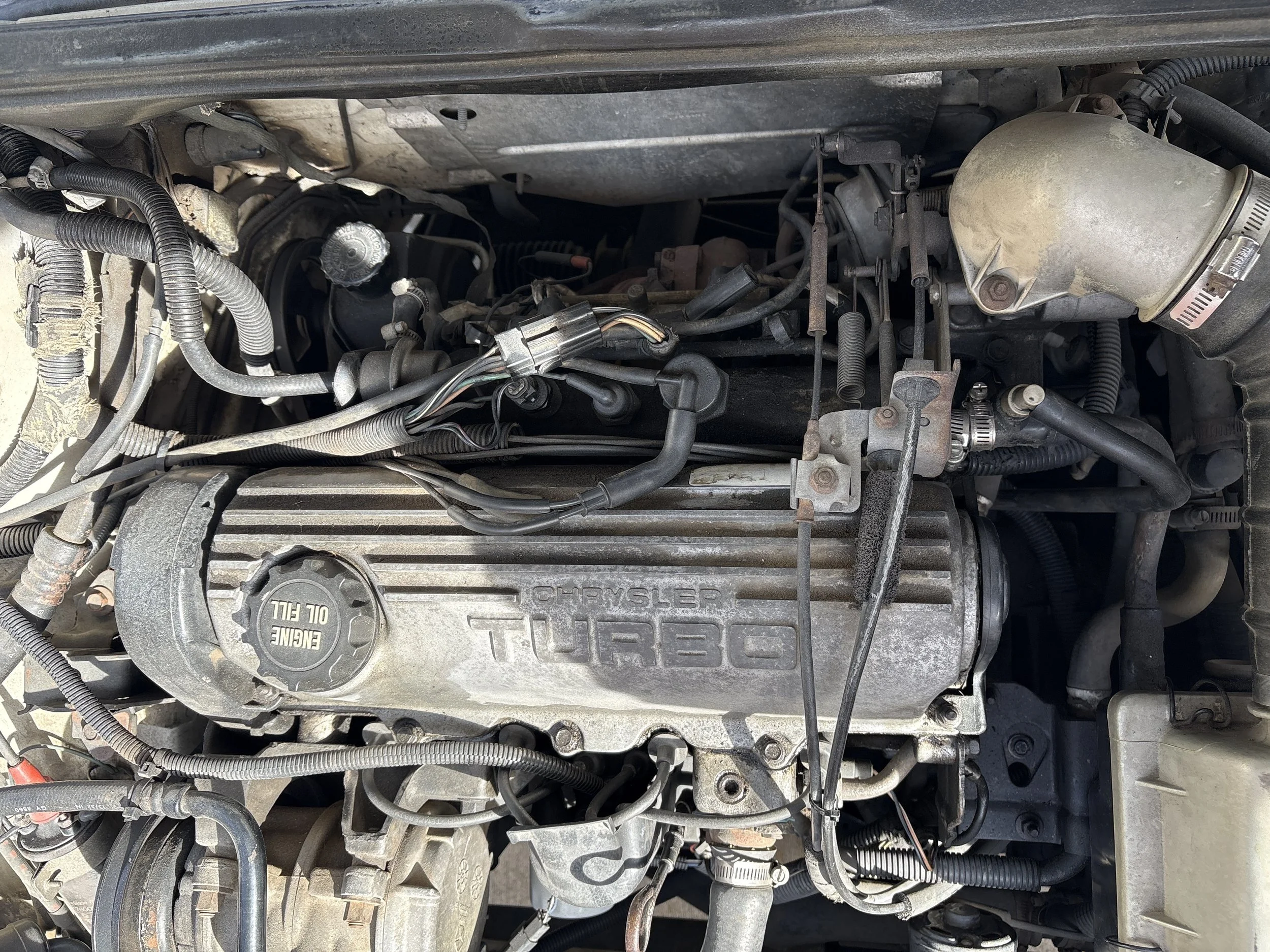
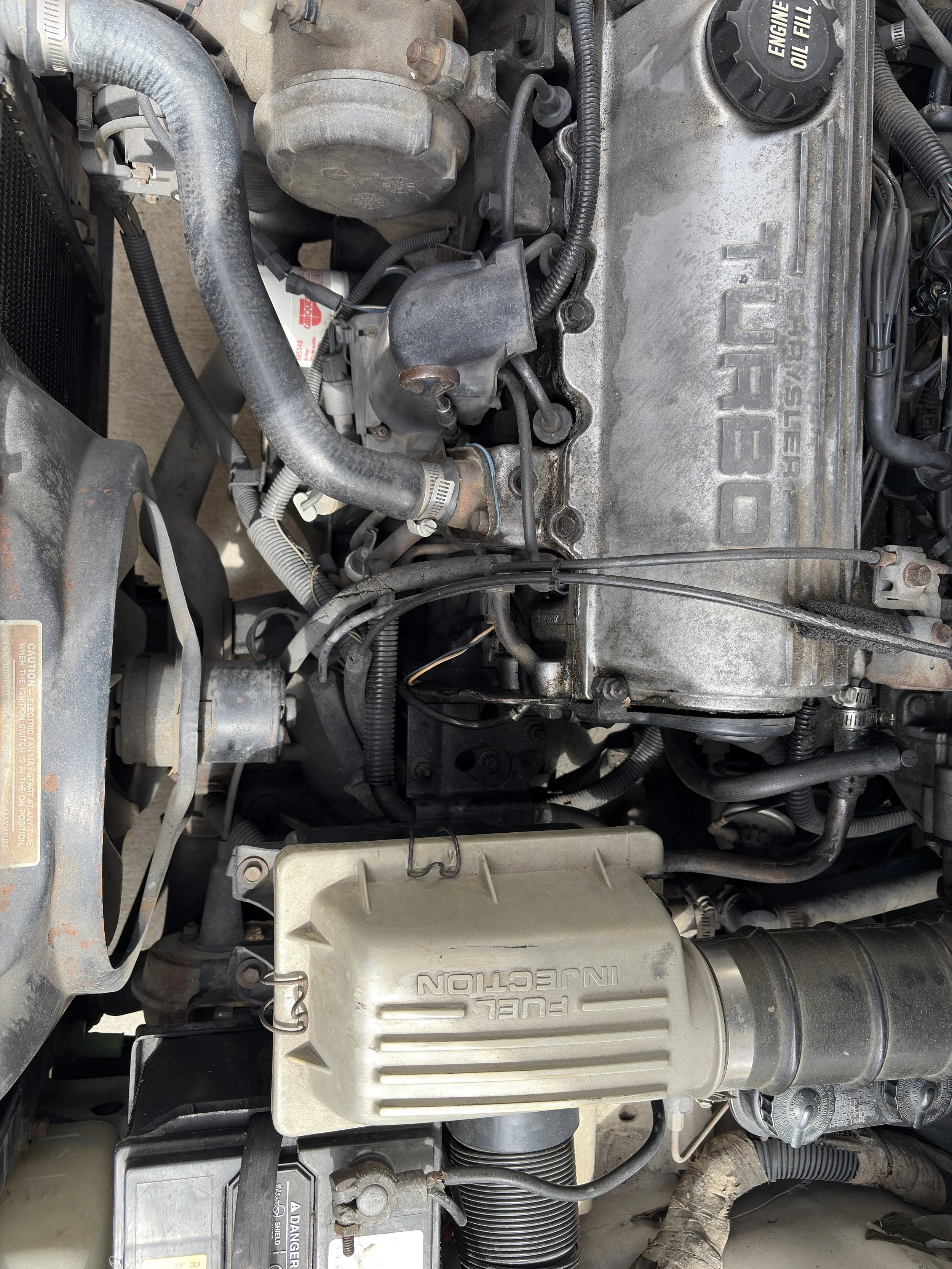
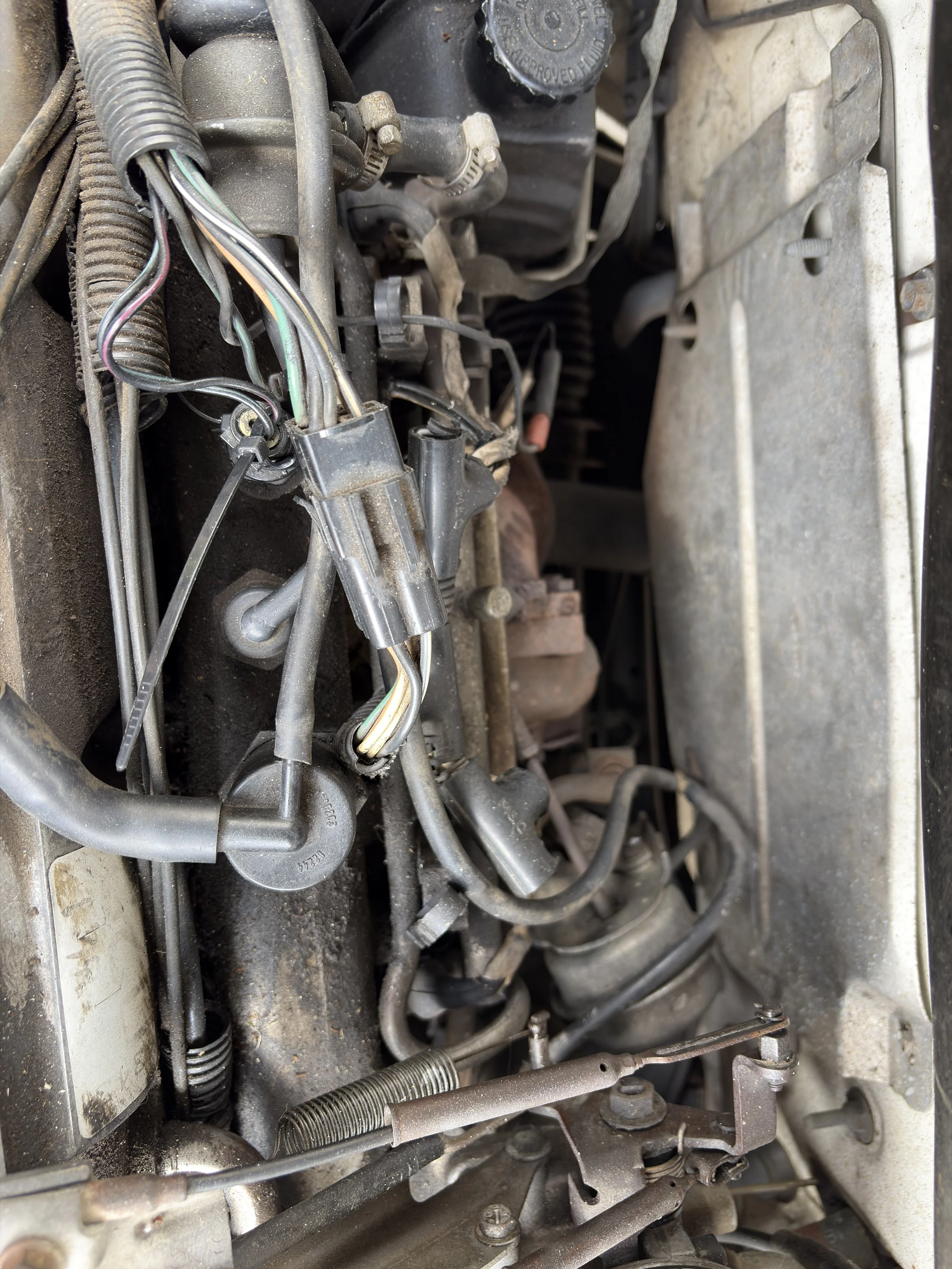
One maintenance unknown removed.
The PCV valve replacement and hose inspection were completed. That is the confirmed result. I cannot honestly claim the wagon idled better because of the new valve or that this repair solved the hard starting, stalling, or hot-idle trouble.
The later compression test changed the priority: cylinder #1 measured 61 PSI twice, while cylinders #2 through #4 each measured 140 PSI. That confirms a serious sealing problem and pauses further running tests.
What supports this page.
PCV Valve Troubleshooting and Refresh and the original BWG photos document the replacement and hose inspection.
Los Angeles Public Library Chilton access is the service-information starting point for PCV routing, component identification, and vehicle-specific procedures.
The owner-focused guide places the PCV system among the basic drivability checks without treating a new valve as a universal cure.
The low-compression diagnosis records the 61 PSI reading in cylinder #1. The current-state page explains why the wagon remains parked.
Tiny valve. Clearer evidence.
The PCV replacement is complete, but it was not the answer to the wagon's larger drivability trouble. The engine stays off while the cylinder #1 problem takes priority.