
Throttle body cleaning.
I cleaned the throttle body on my 1985 Chrysler 2.2 Turbo while chasing rough running and hard starting. The maintenance was completed. It was not a proven cure for the wagon's larger problems.
What this cleaning did and did not prove.
Was the throttle body cleaned?
Yes. I removed the intake duct, inspected the opening, applied throttle-body cleaner to a rag, wiped around the throttle plate, and reassembled it.
Was the throttle body badly clogged?
No. There was some buildup to remove, but my own note at the time was that it was "impressively not so gross."
Did cleaning fix the rough running?
I did not prove that it fixed the hard starting, rough idle, stalling, or hot-idle trouble. Those symptoms continued into a larger diagnosis.
Can deposits affect idle?
Deposits around the throttle plate can interfere with airflow, so inspection and cleaning are reasonable maintenance. That possibility does not prove deposits caused this wagon's symptoms.
Can the wagon be run now to retest it?
No. A later compression test found 61 PSI in cylinder #1 beside three cylinders at 140 PSI. The engine should remain off until the sealing problem is repaired.
The cleaning episode.
This video shows one of my early maintenance attempts while I was learning the 2.2 Turbo system. It documents the cleaning, not a confirmed drivability cure.
Why I tried it
Supplies and tools
Cleaning the throttle opening.
Started with the engine cool and off.
I kept the repair simple and avoided working around a hot engine.
Removed the intake duct.
I loosened the clamp and moved the duct enough to expose the throttle-body opening.
Inspected before cleaning.
The opening had buildup, although it was not as dirty as I expected.
Applied cleaner to a rag.
I wiped the accessible surfaces instead of flooding the throttle body or nearby components.
Cleaned around the throttle plate.
I focused on the visible buildup around the plate and its edges.
Reassembled the intake.
I returned the duct and clamp to their original positions. Any future operational retest must wait until the engine's cylinder #1 problem is repaired.
A completed maintenance job, not the answer.
The throttle body was cleaner when I finished, and the work gave me a useful maintenance baseline. I cannot honestly connect that cleaning to a lasting improvement in starting, idle, or drivability.
The later evidence changed the priority completely. Cylinder #1 measured 61 PSI twice while cylinders #2 through #4 each measured 140 PSI. That confirms a serious sealing problem, so additional running tests are paused.
What I saw during the job.
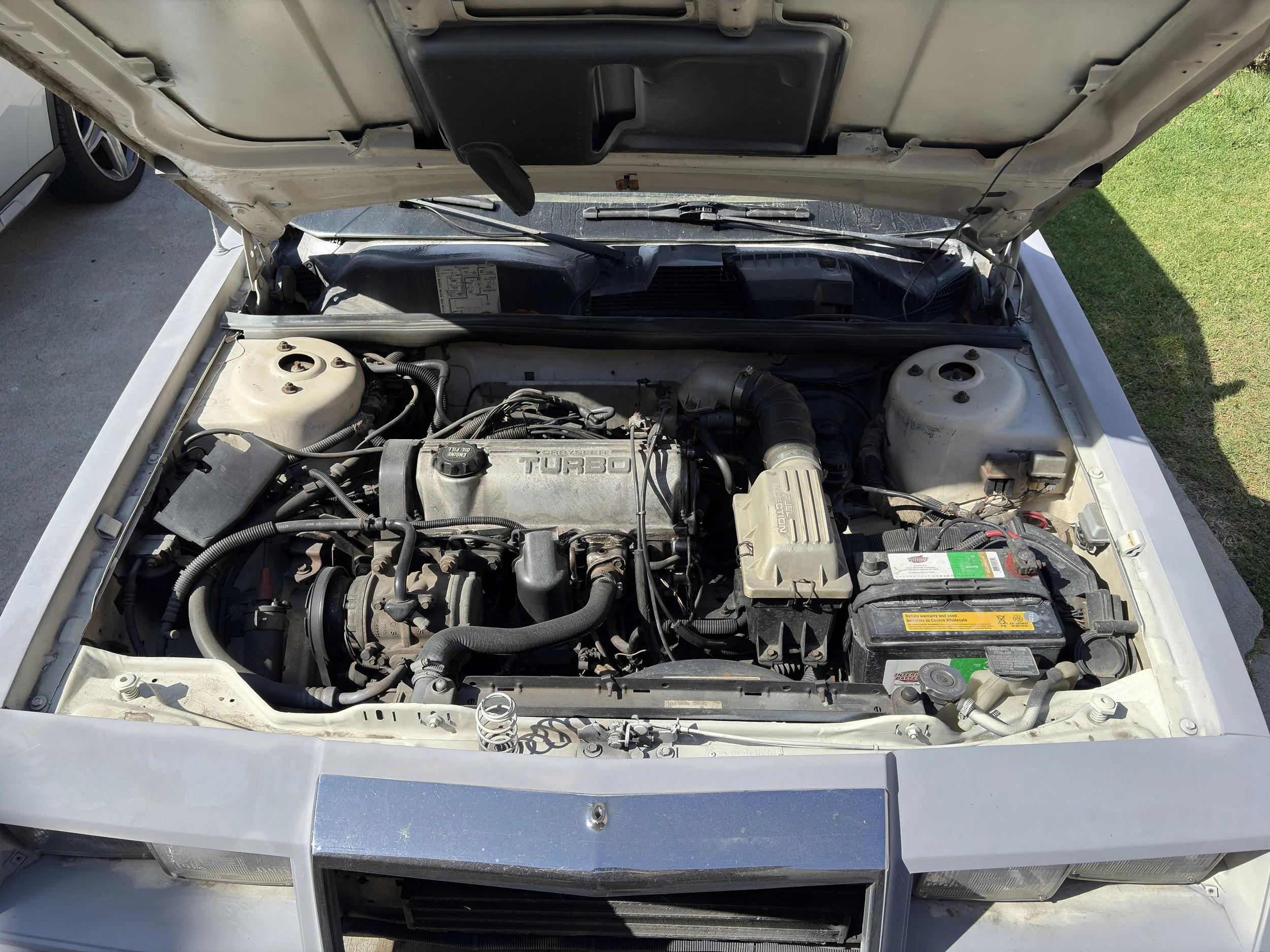
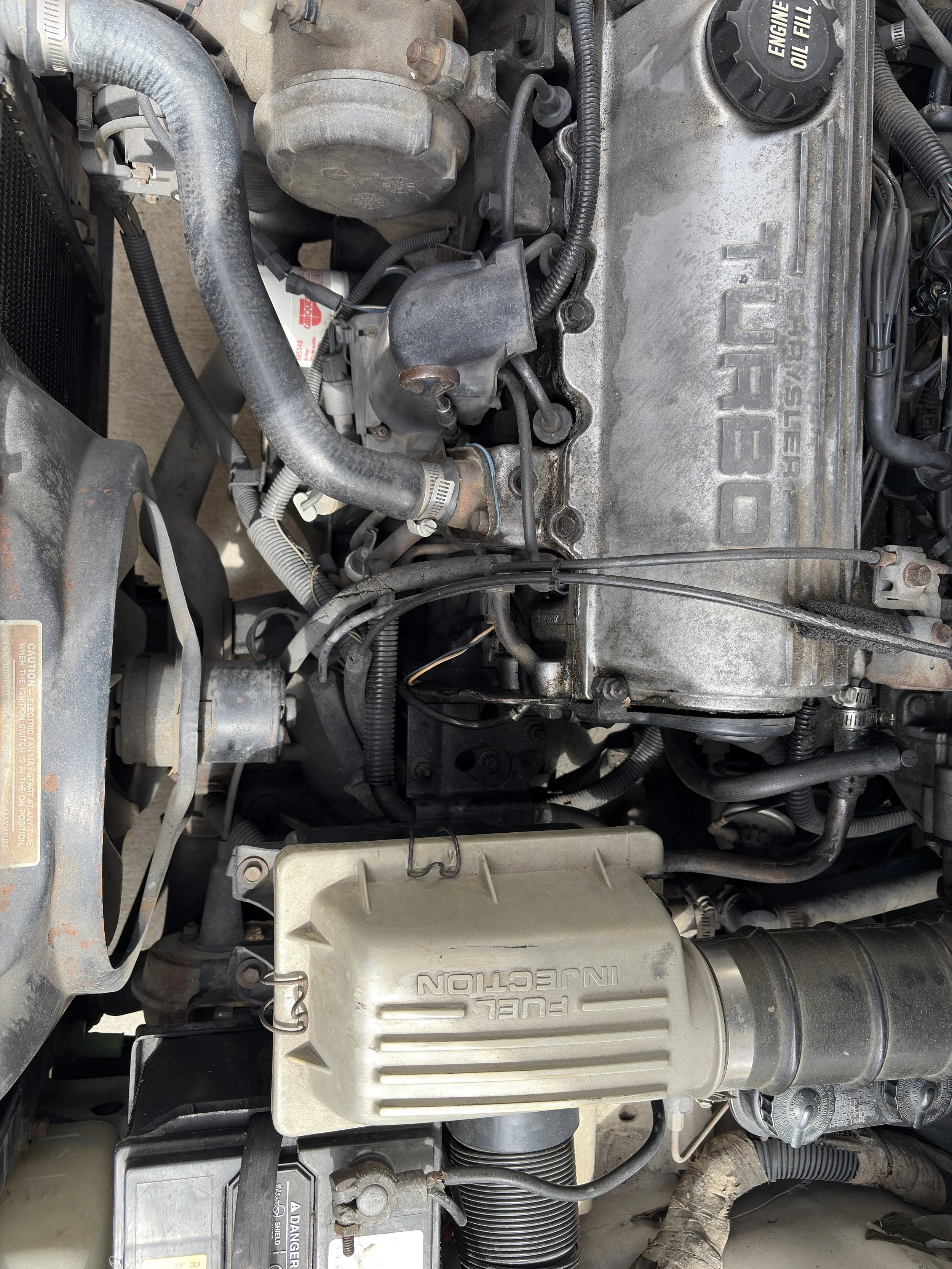
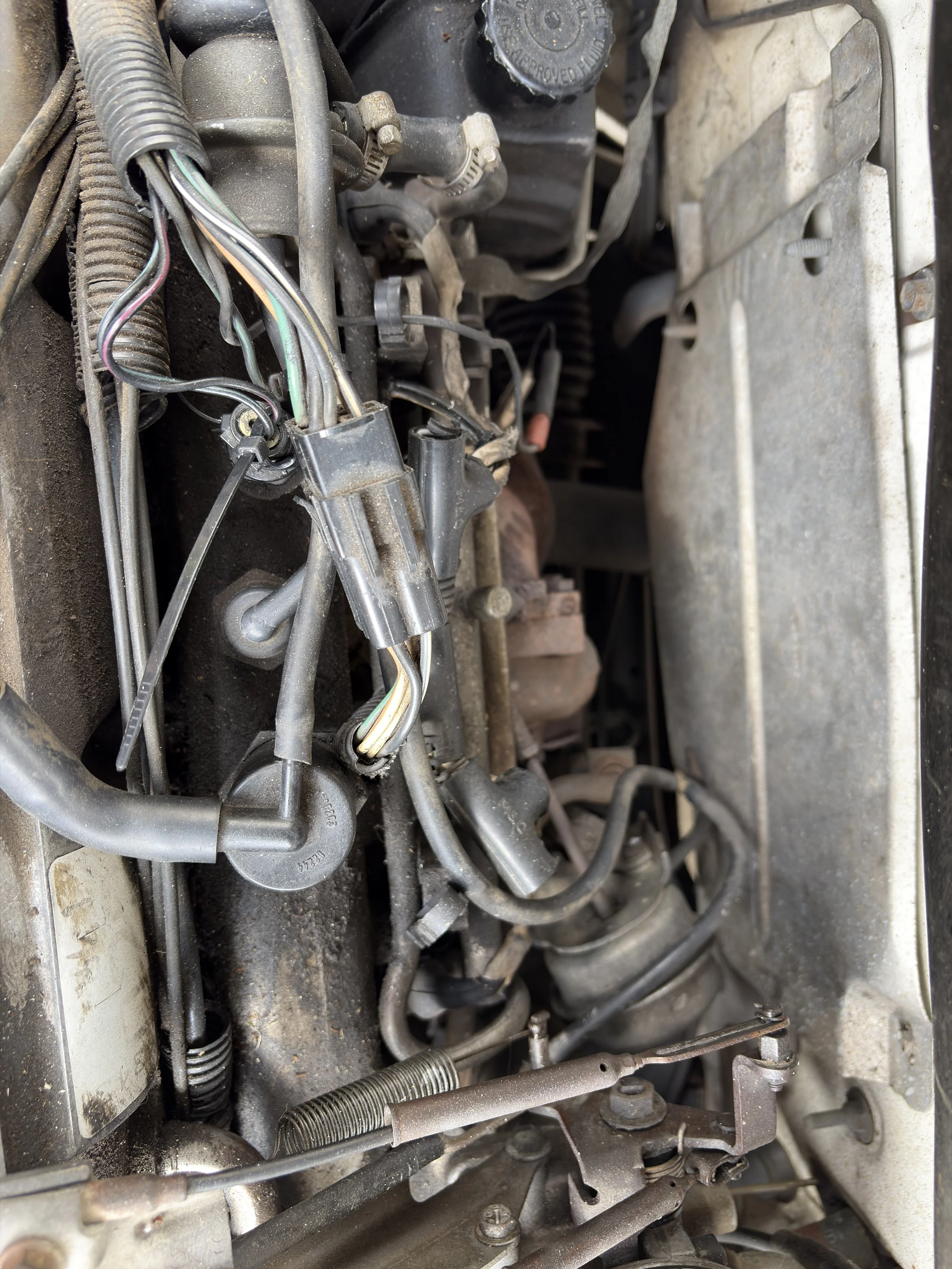
What supports this page.
Learning as I Go: Throttle Body Cleaning on a 1985 Turbo Wagon and the original BWG repair photos document the work performed and the visible condition.
Los Angeles Public Library Chilton access is the service-information starting point for vehicle-specific procedures, system descriptions, and safety guidance.
The owner-focused guide places throttle-body inspection among the basic drivability checks without treating it as a universal cure.
The low-compression diagnosis records the 61 PSI result in cylinder #1. The current-state page explains why the wagon remains parked.
One maintenance job checked off.
The throttle body is cleaner. The cause of the larger drivability trouble was not proven by this repair, and the engine now stays off while the cylinder #1 problem takes priority.