Power door lock revival.
The factory power locks struggled against stiff mechanical hardware. Lubricating the latch and lock mechanisms restored operation without replacing an actuator or changing the wiring.
What restored the factory power locks.
What were the locks doing?
The factory power locks tried to move, but the latch and lock mechanisms felt stiff and resisted the actuators.
What restored operation?
I removed the door panels, cleaned visible grime, lubricated the mechanical latch and linkage points, and worked the locks repeatedly. Normal operation returned.
Were the actuators replaced?
No. The original actuators, switches, and wiring remained in place during this repair.
Does this prove the electrical system is perfect?
No. It proves mechanical service was enough to restore operation at the time. It does not certify every actuator, switch, connector, or wire.
Why was keyless entry canceled?
Once the factory locks worked properly again, adding an aftermarket module and more wiring created risk without solving a current problem.
Mechanical resistance was the practical problem.
On this wagon, lubricating stiff latch and lock hardware restored power-lock operation without actuator replacement or wiring changes. That successful result is specific to this repair, not a promise that lubrication fixes every slow power lock.
Symptoms / reason
Tools & supplies
Reviving the door locks.
Remove the door panel.
Work slowly and protect the old trim pieces.
Inspect the latch and rods.
Find the moving parts the power lock motor has to fight.
Clean visible grime.
Wipe away old dirt and crusty buildup where possible.
Lubricate the latch mechanism.
Apply white lithium grease to moving joints and latch points.
Work the lock manually.
Move it repeatedly so lubricant spreads through the mechanism.
Test the power locks.
Check whether the motor can now move the lock smoothly.
Repeat on other doors.
Each door gets its own little spa day.
Reinstall the panels.
Put everything back and enjoy the revived thunk.
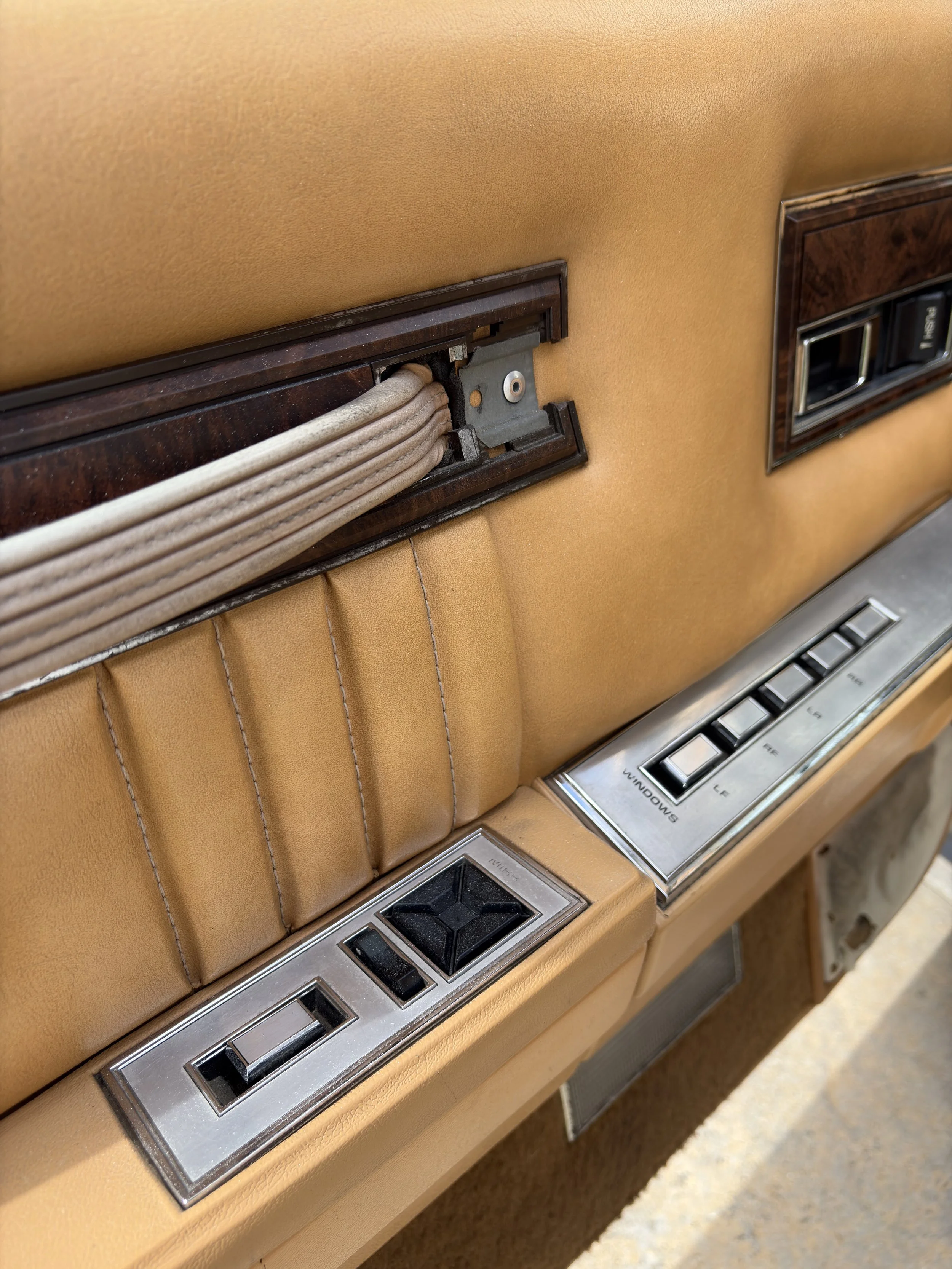
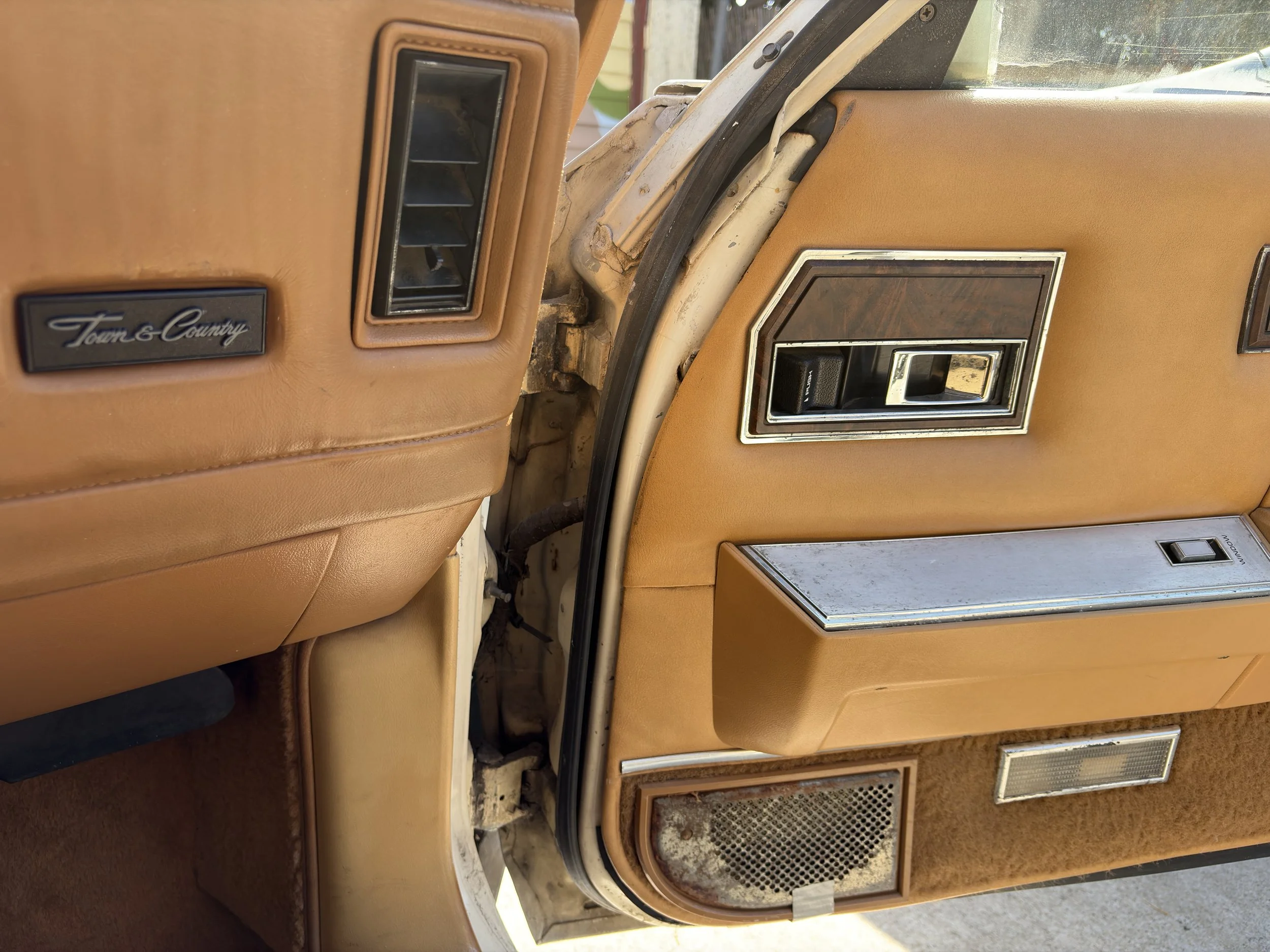
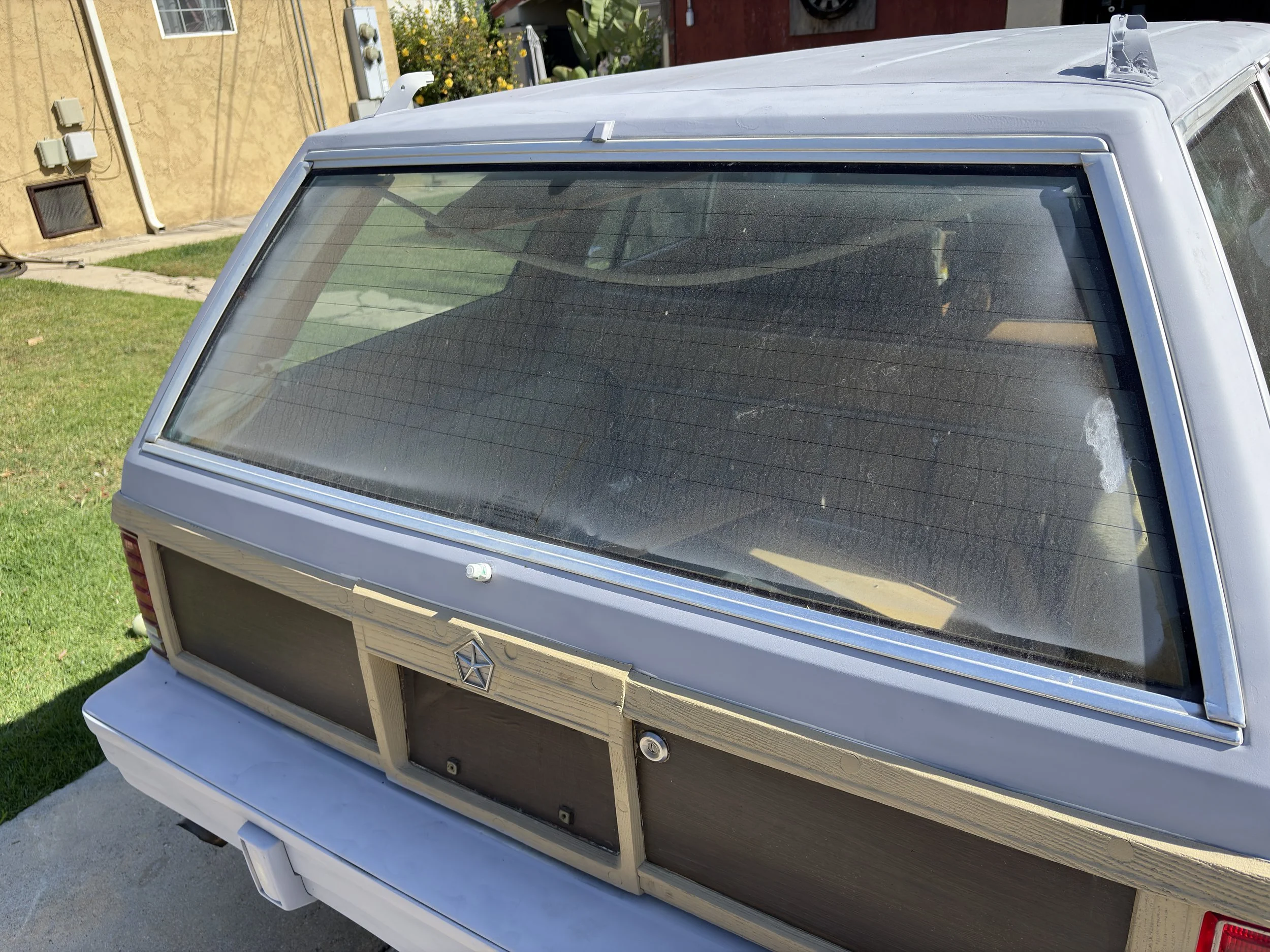
Door-lock evidence.
Biggest lesson
When power locks struggle, check mechanical resistance before replacing electrical parts. On this wagon, lubrication restored normal operation.
What changed next
I had planned to add an aftermarket remote-lock module, but working factory locks changed the risk-versus-reward calculation. I decided to leave the original wiring alone. Read why I canceled the keyless-entry installation.
What supports this page.
The original BWG photos document the removed door panel, exposed latch and linkage hardware, and the areas serviced with lubricant.
Los Angeles Public Library Chilton access is the service-information starting point for door-panel removal, latch hardware, and the factory power-lock system.
The canceled keyless-entry page documents why restored factory operation made an aftermarket wiring project unnecessary.
Everything I've Done and the repair archive record this as a completed repair within the larger wagon project.
The locks live again.
A little lubrication, a little patience, and the wagon feels fancy. More importantly, I did not have to replace the actuators or cut into the original lock wiring.